
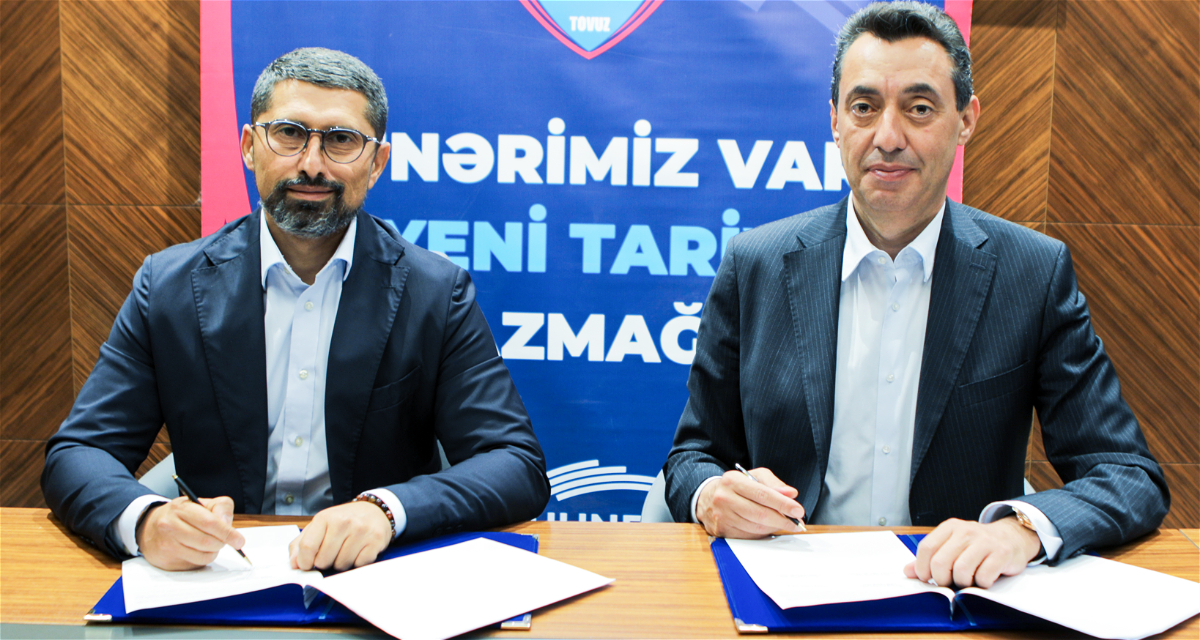
 Revenue from the “Turan Tovuz” – “Fenerbahçe” match to be donated to the Karabakh Revival Fund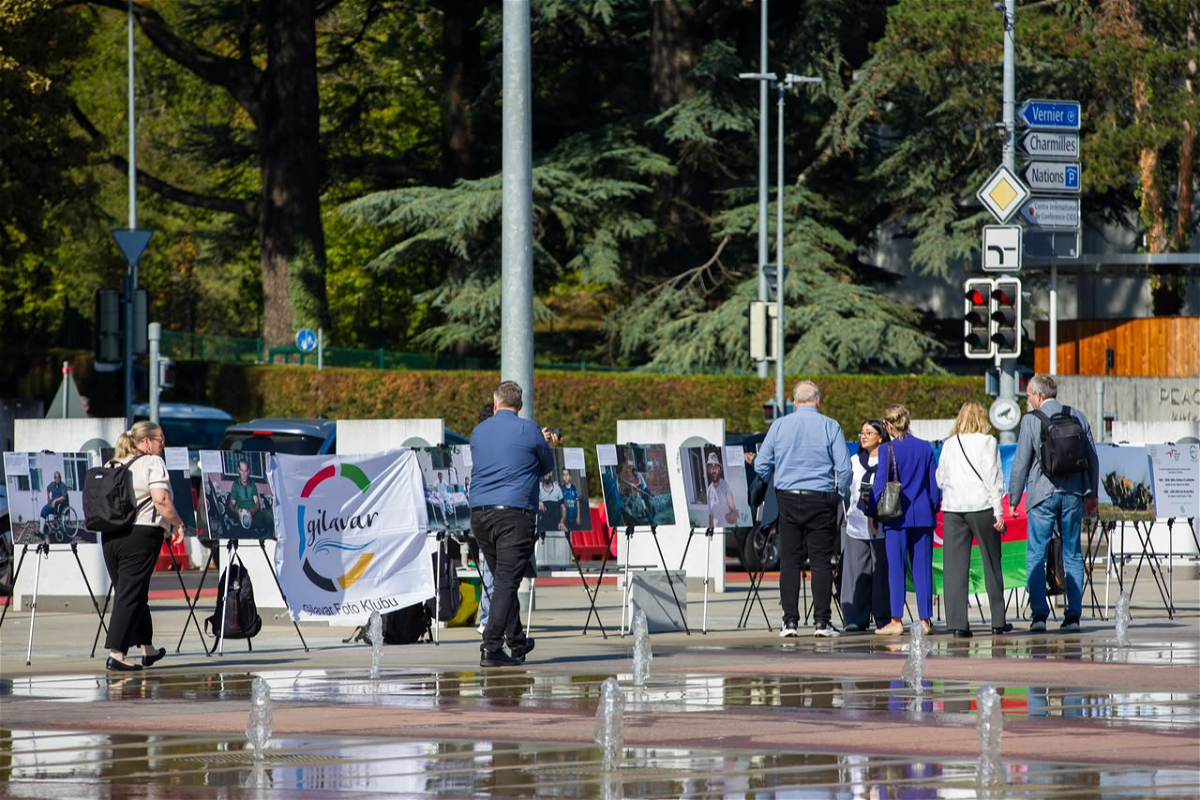
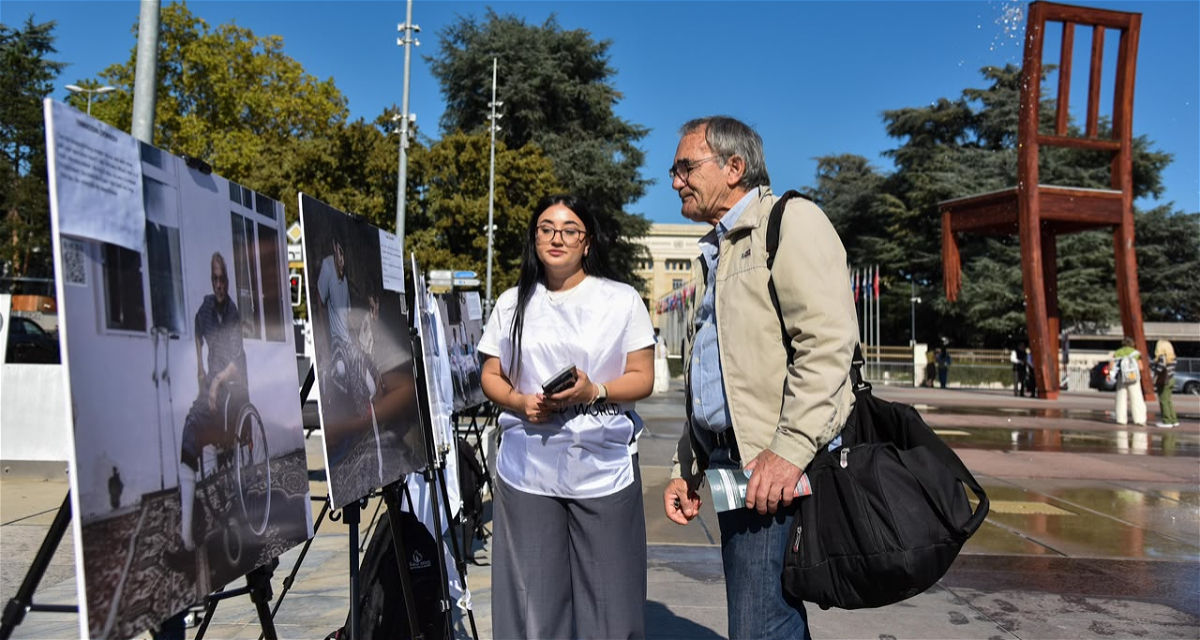
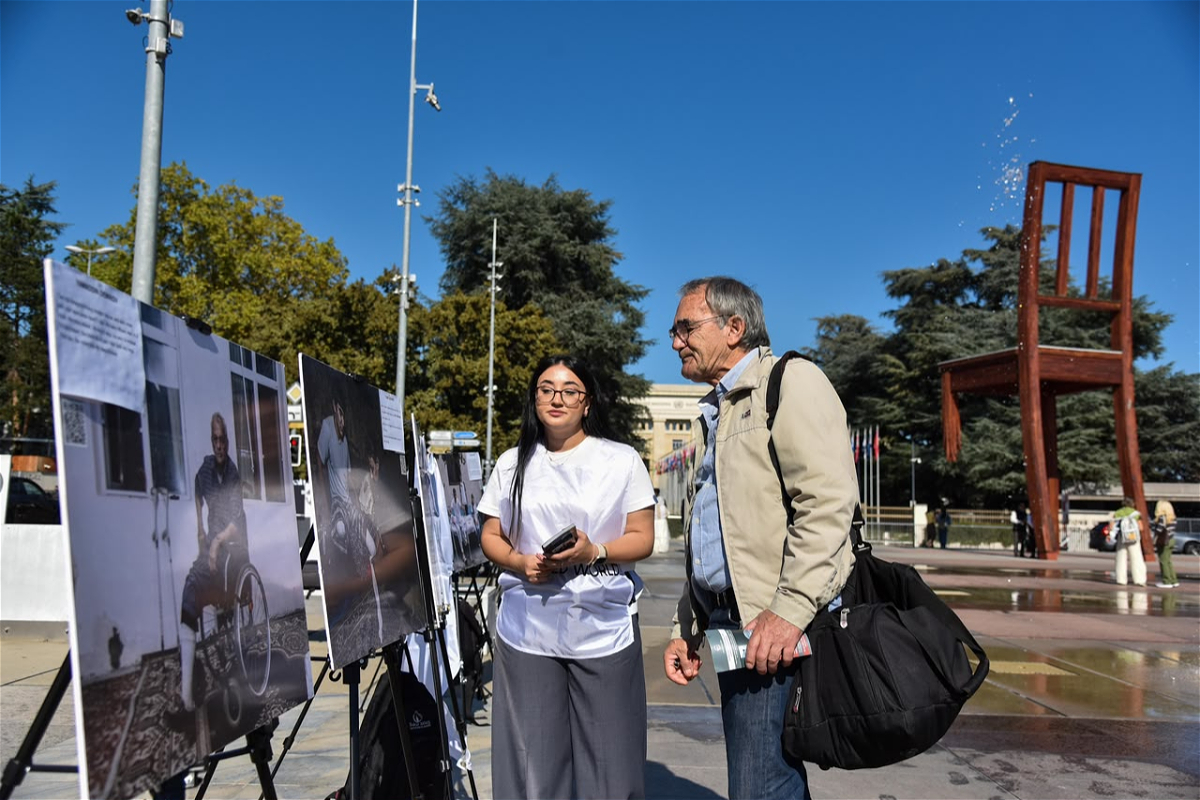
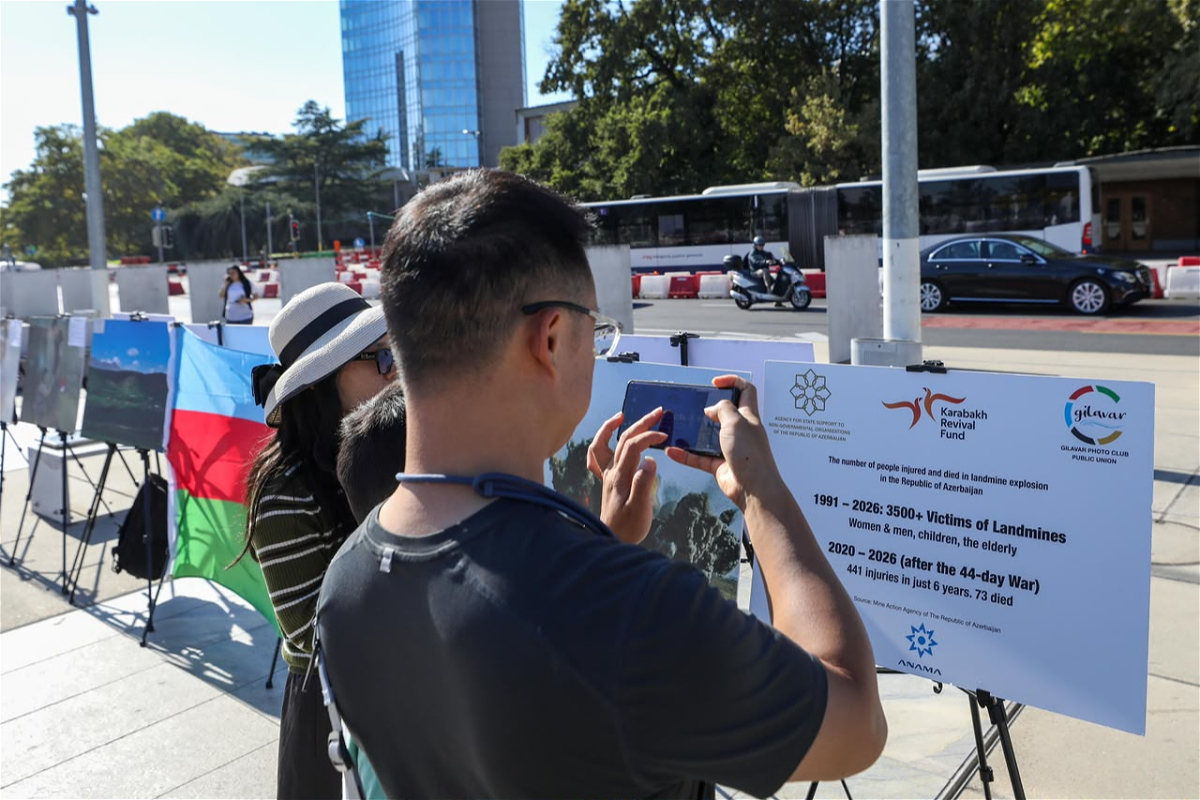
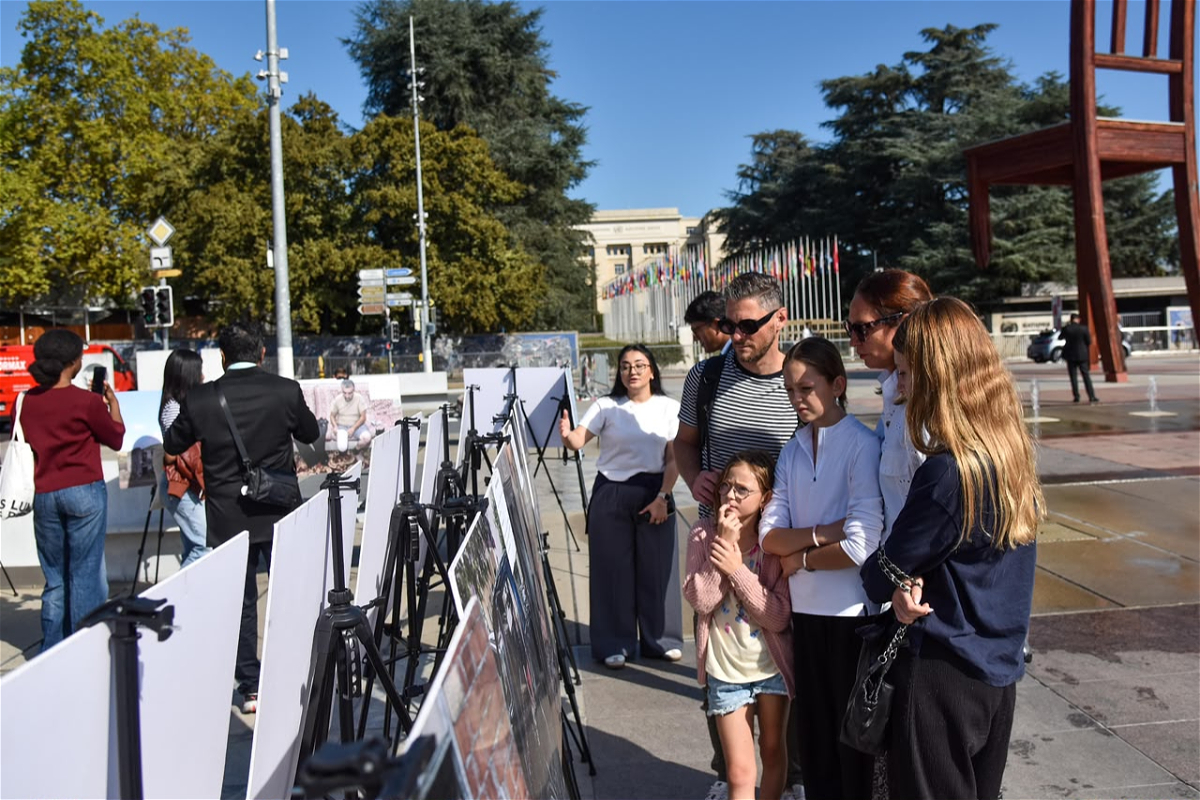
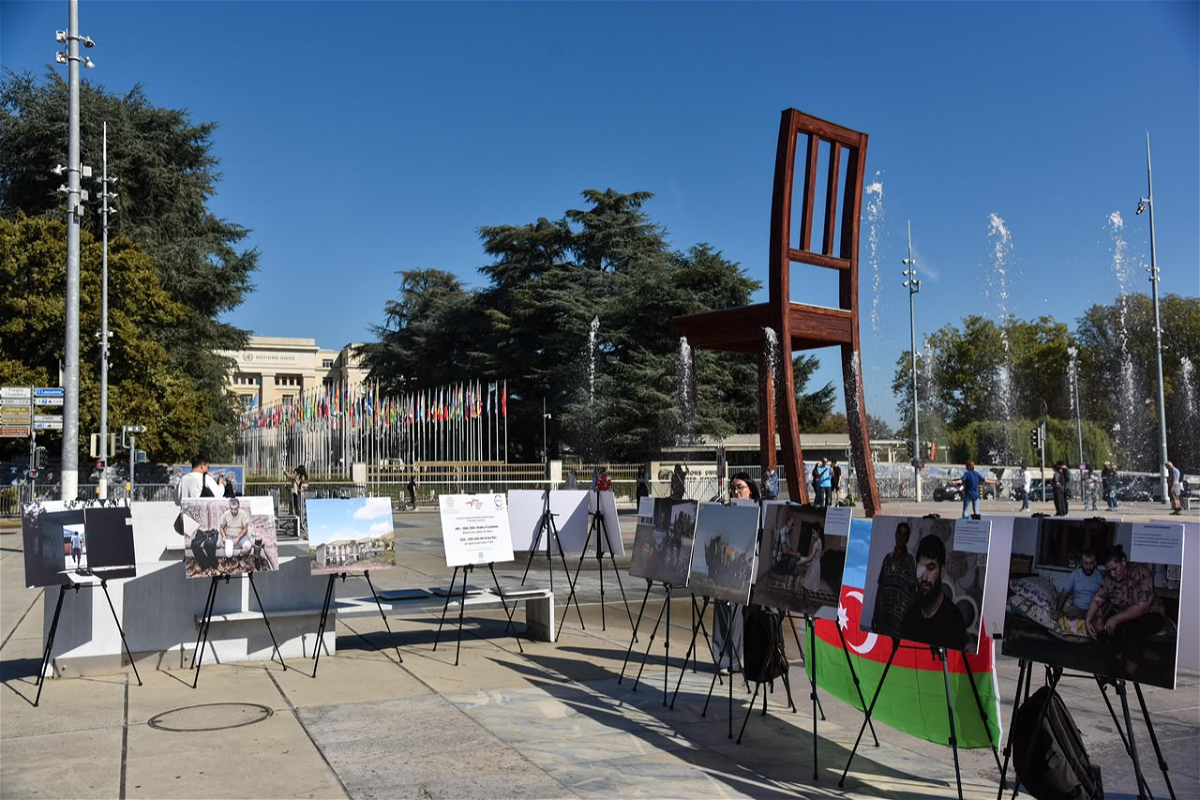
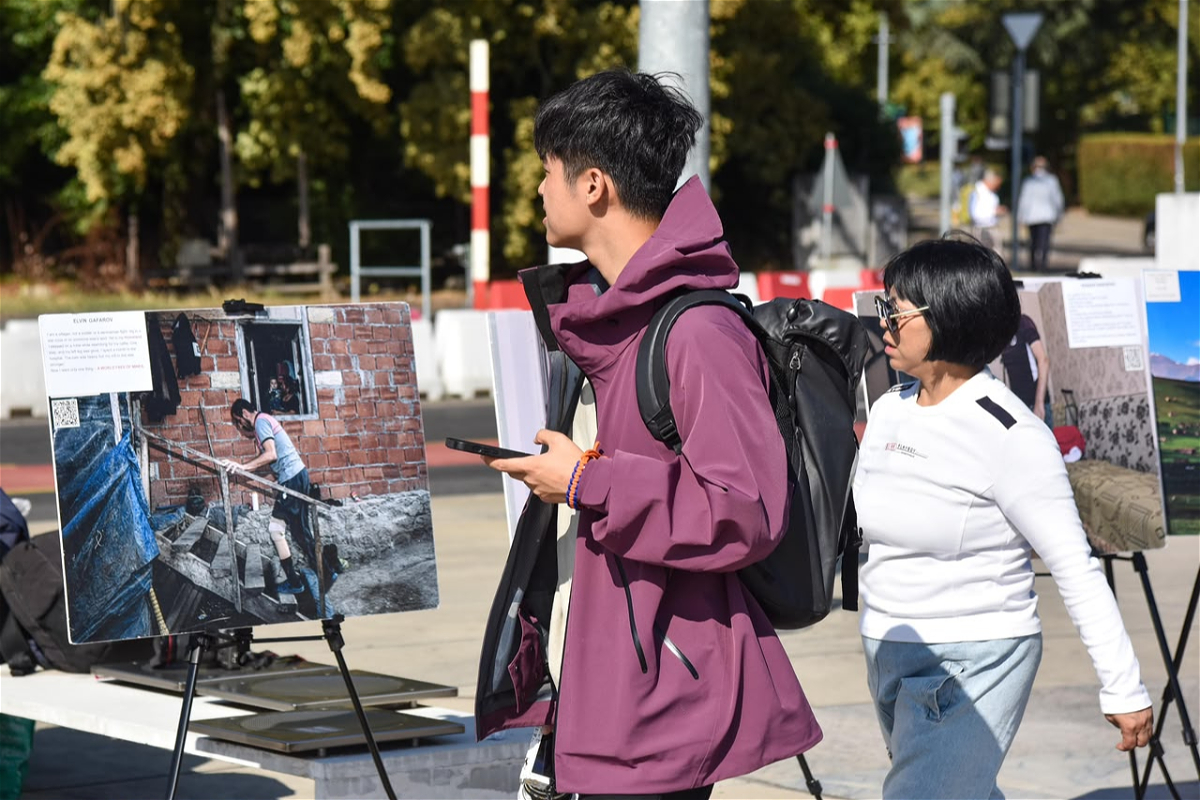
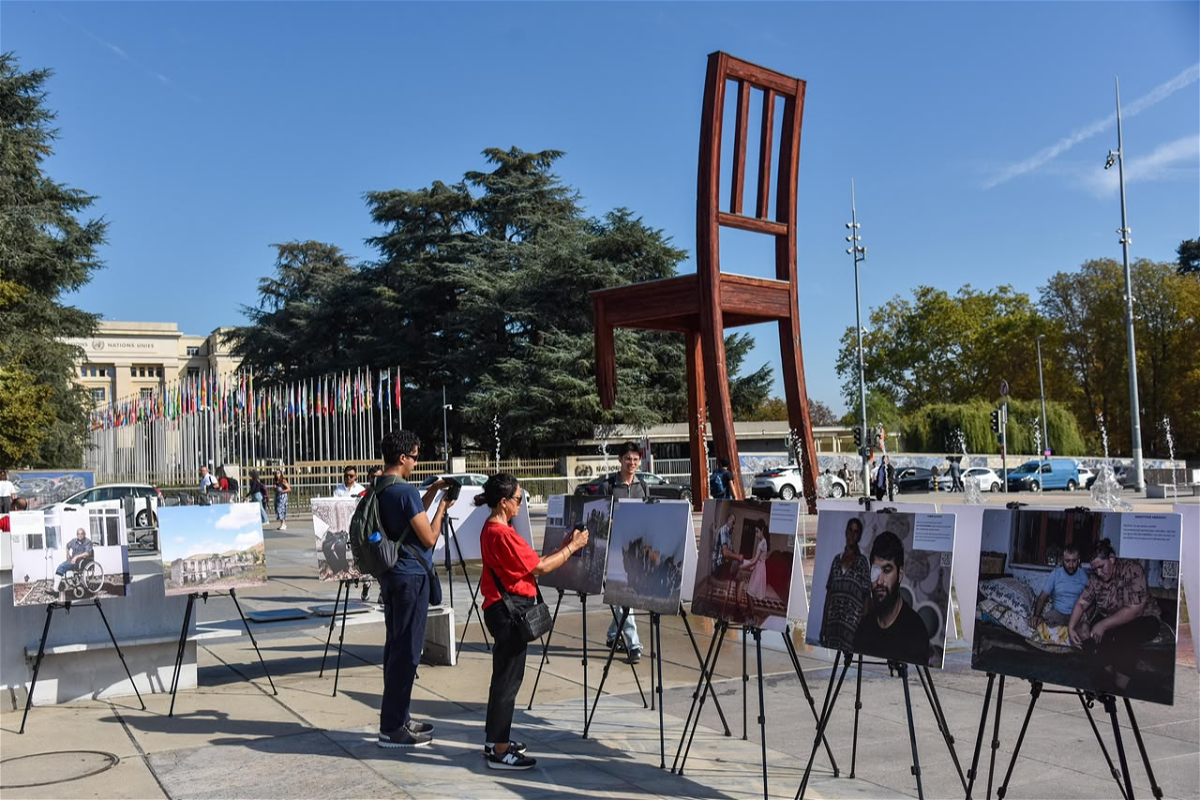
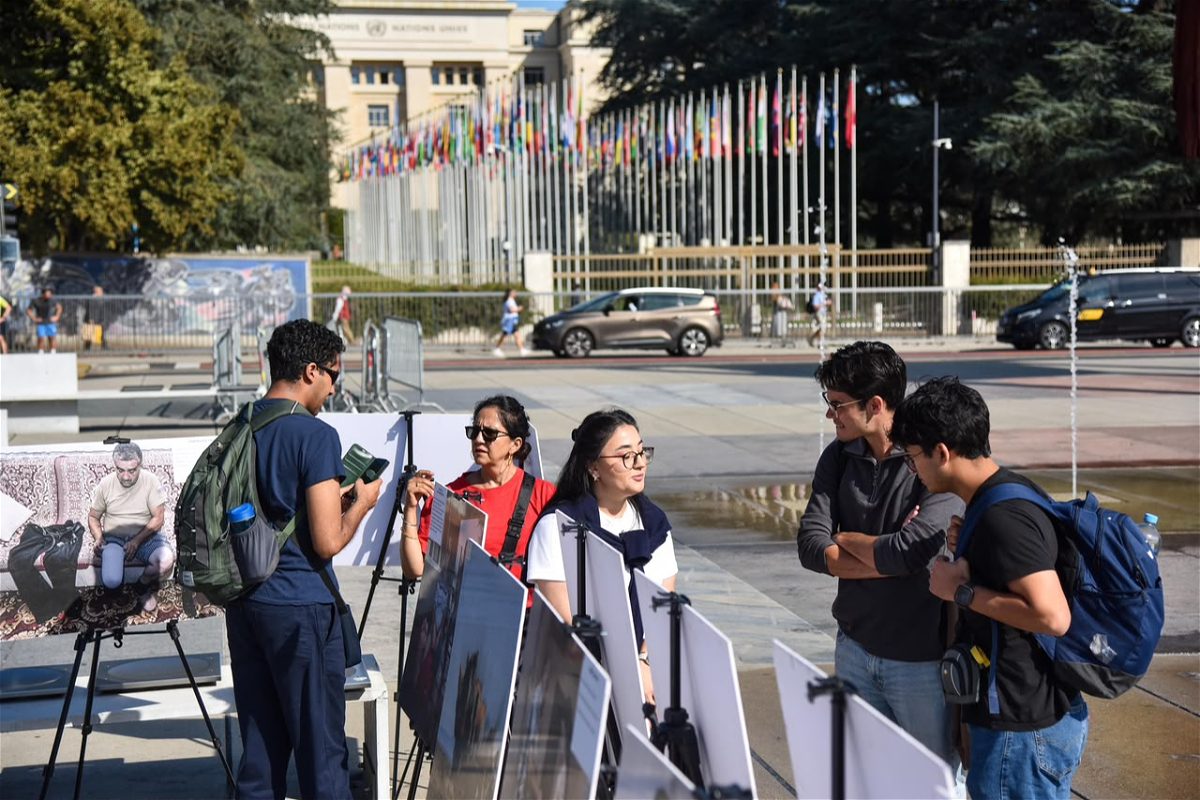
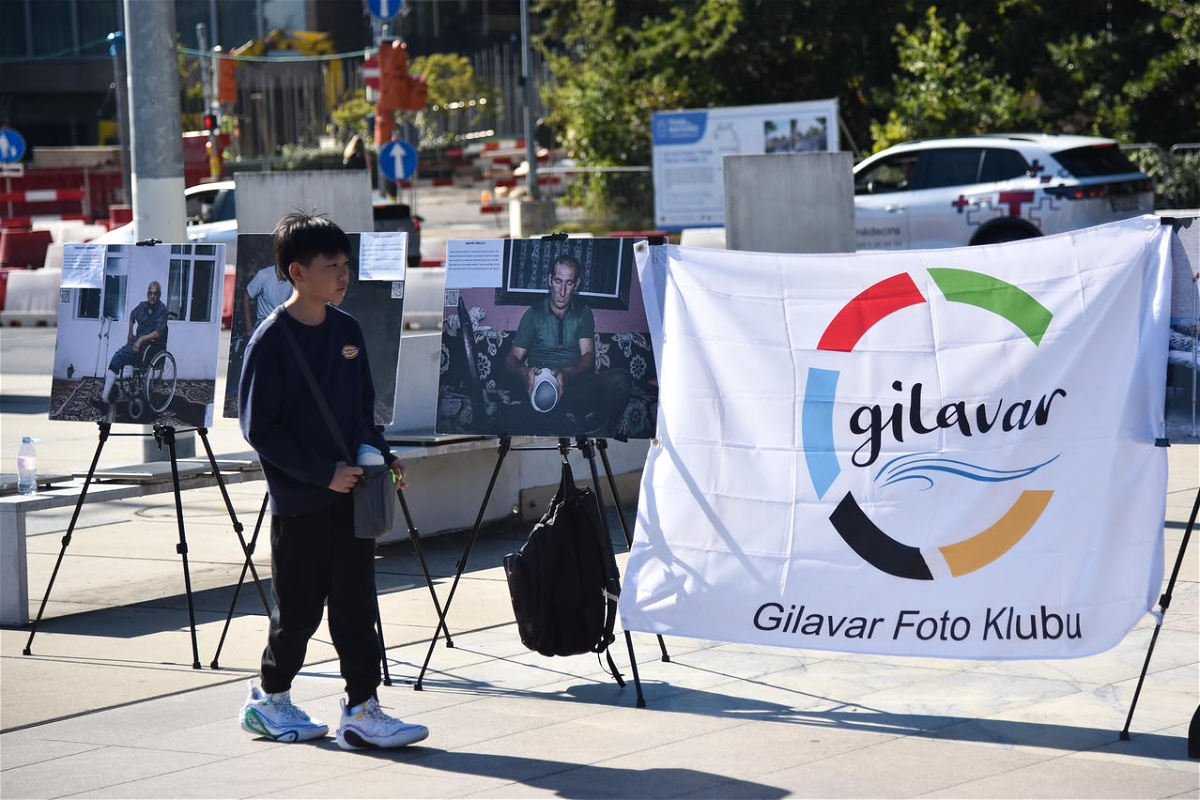
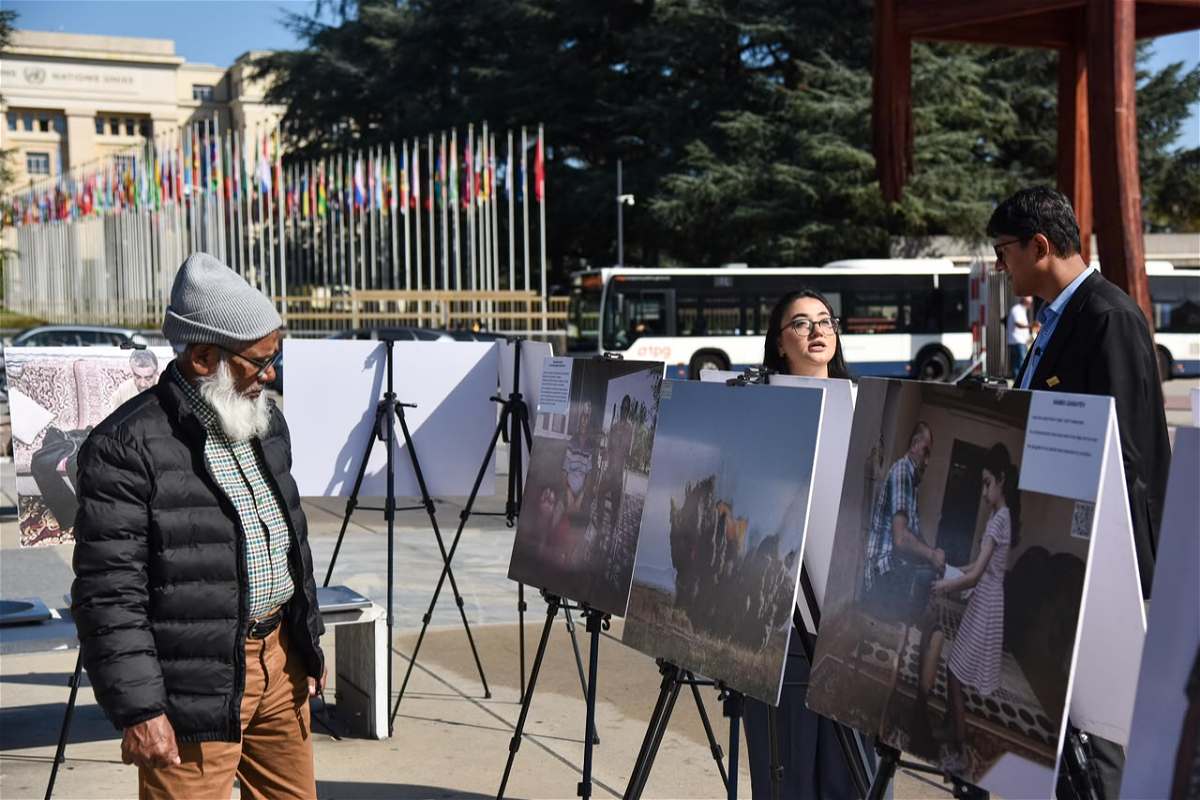
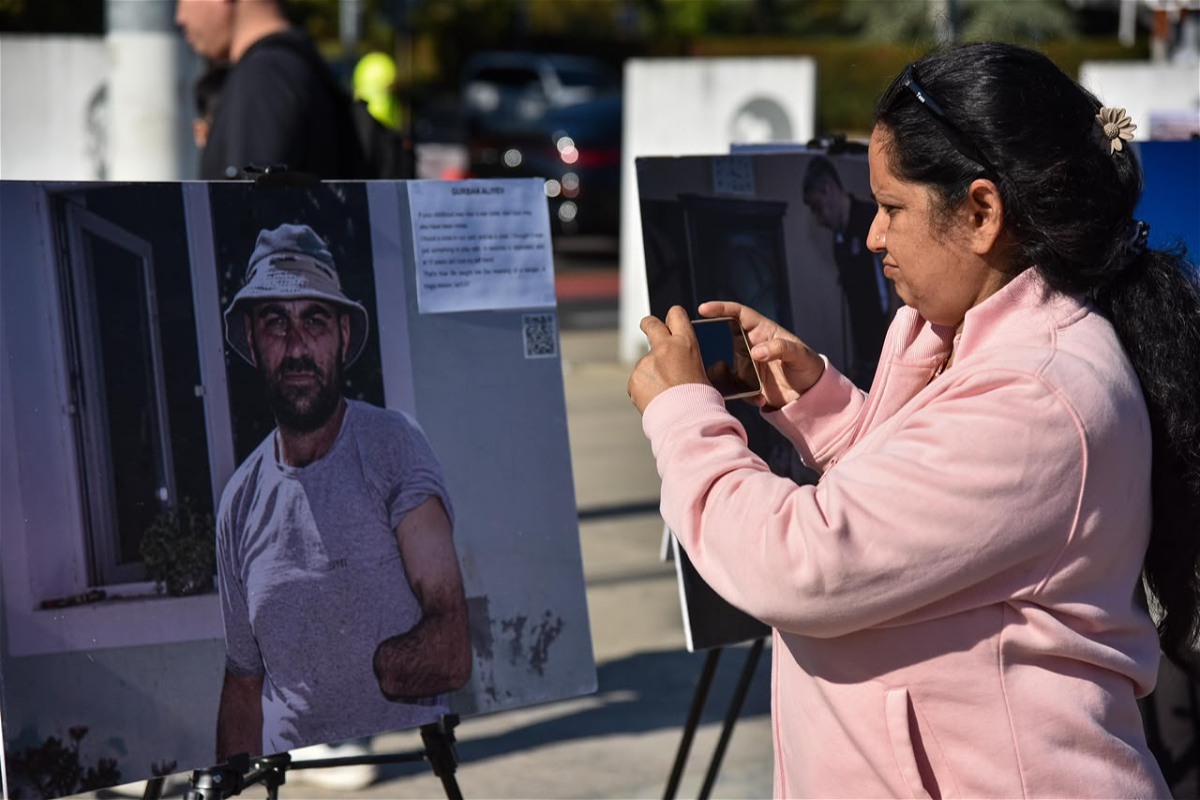
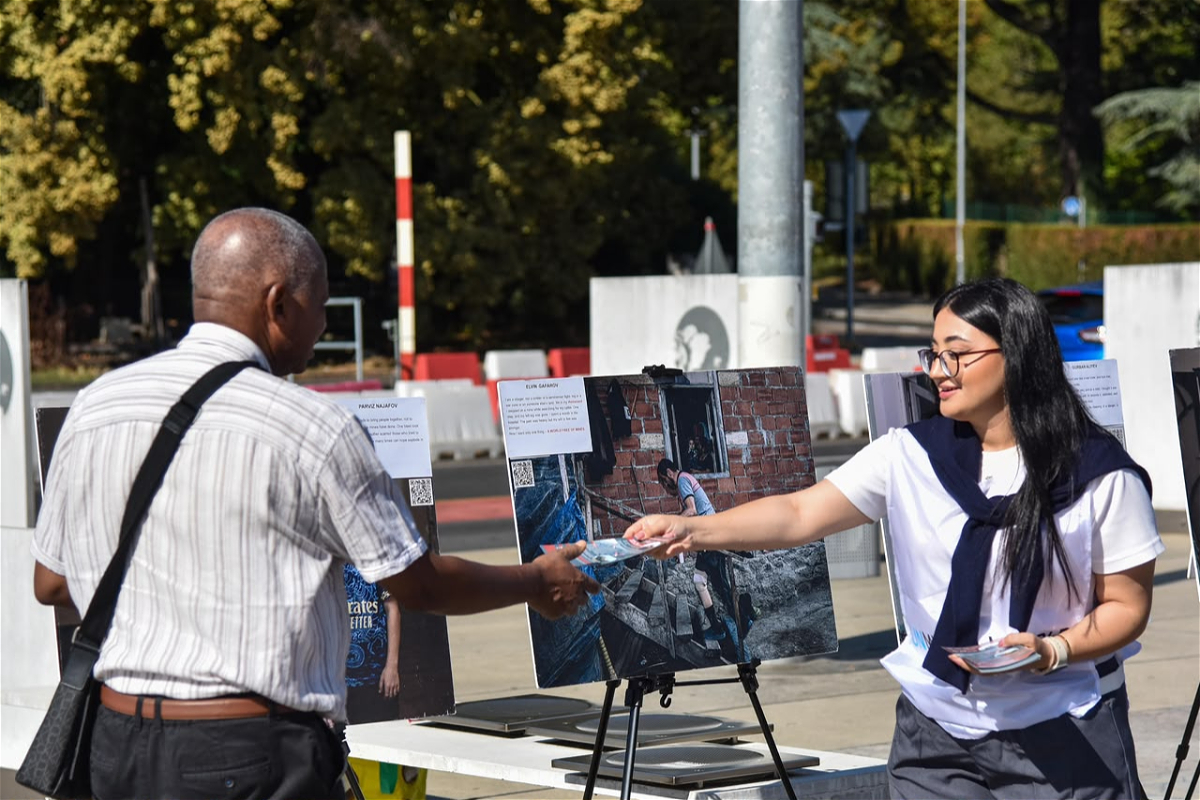
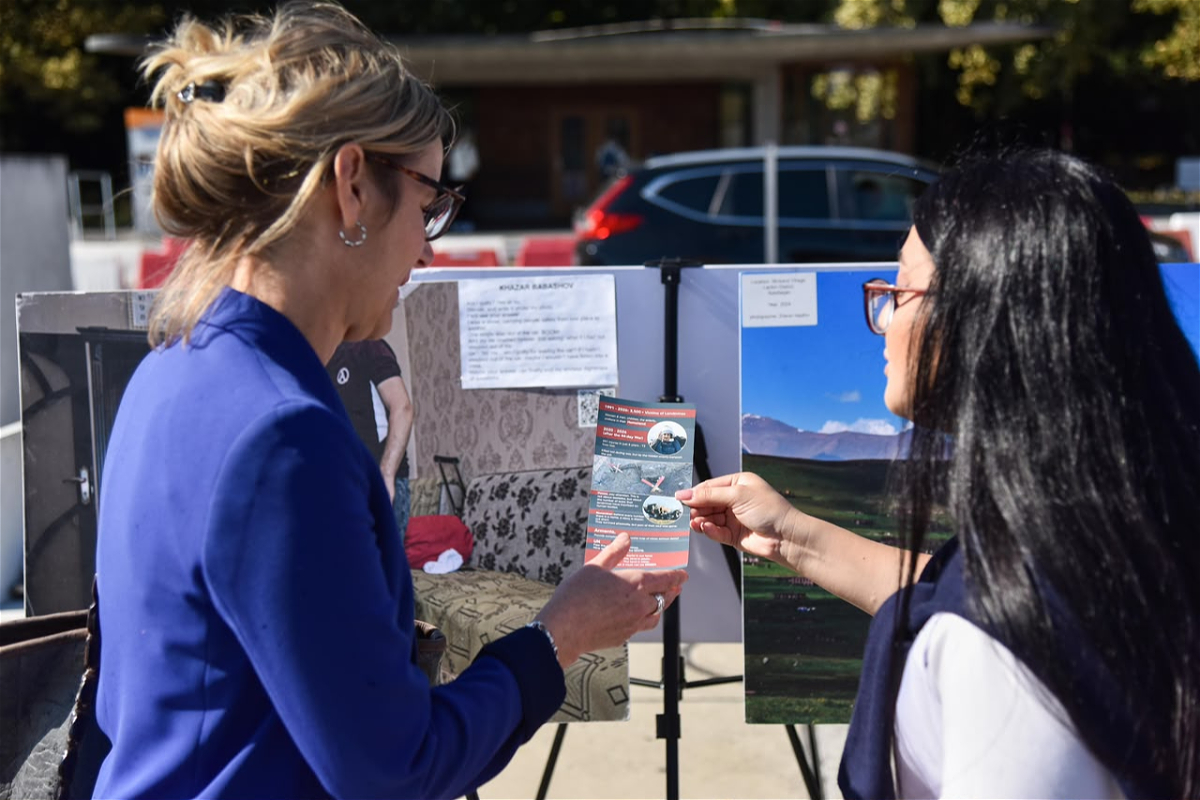
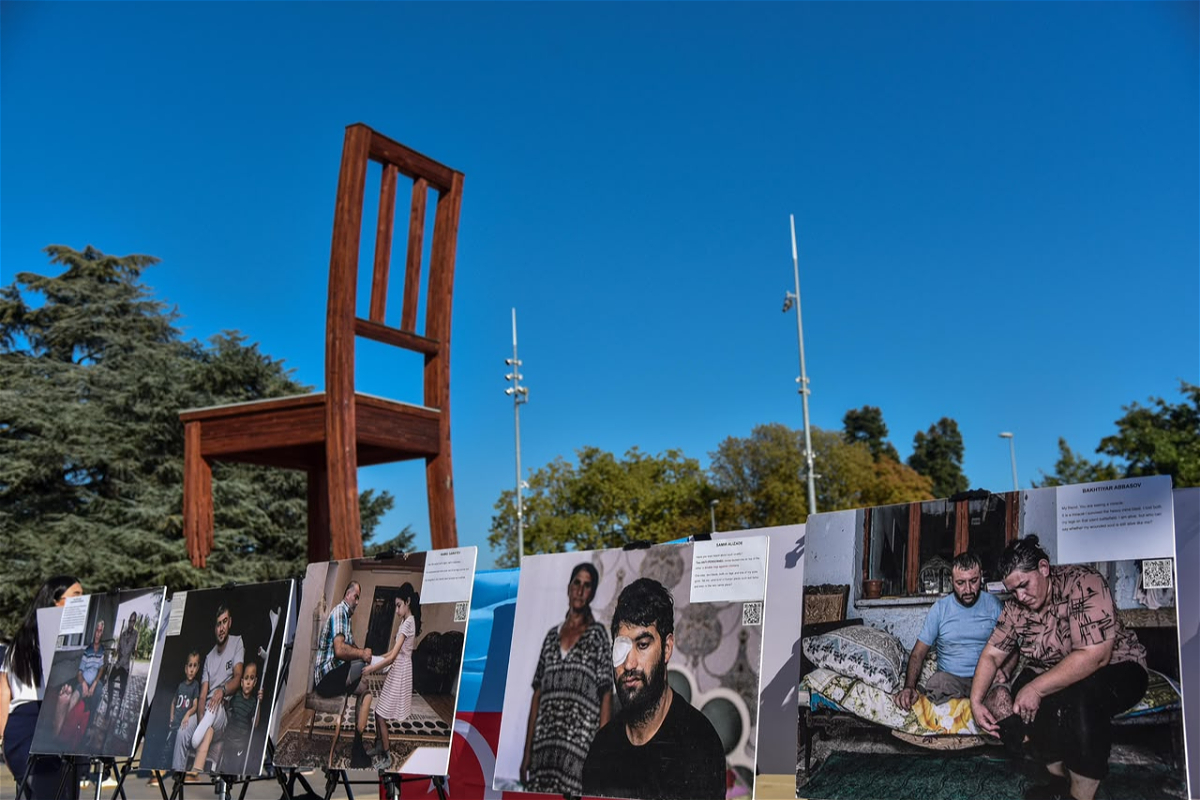
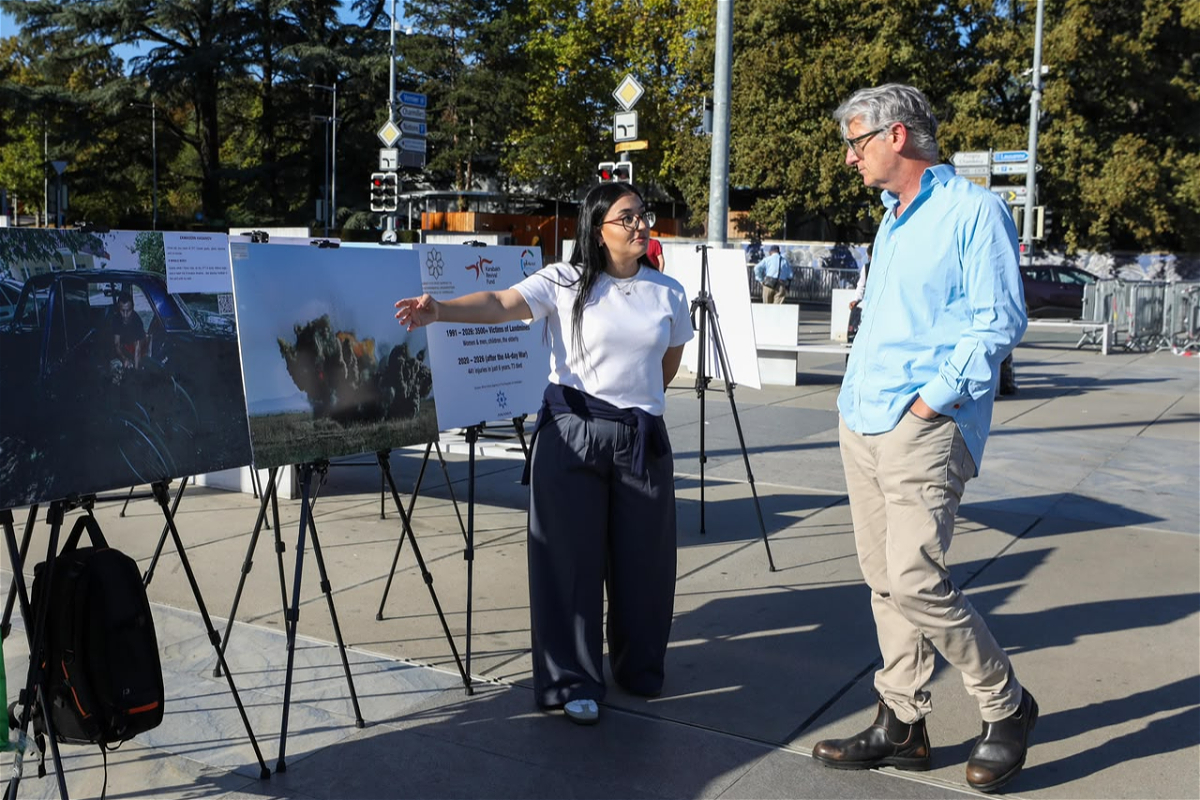
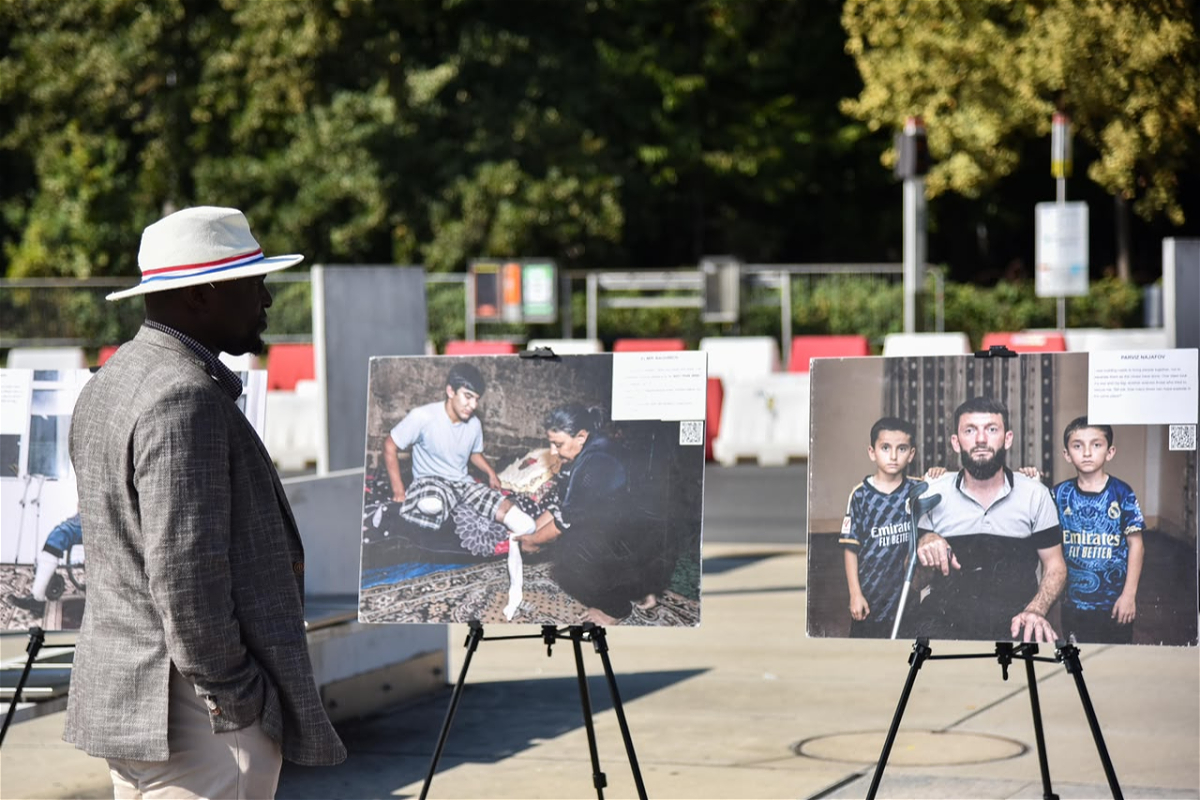
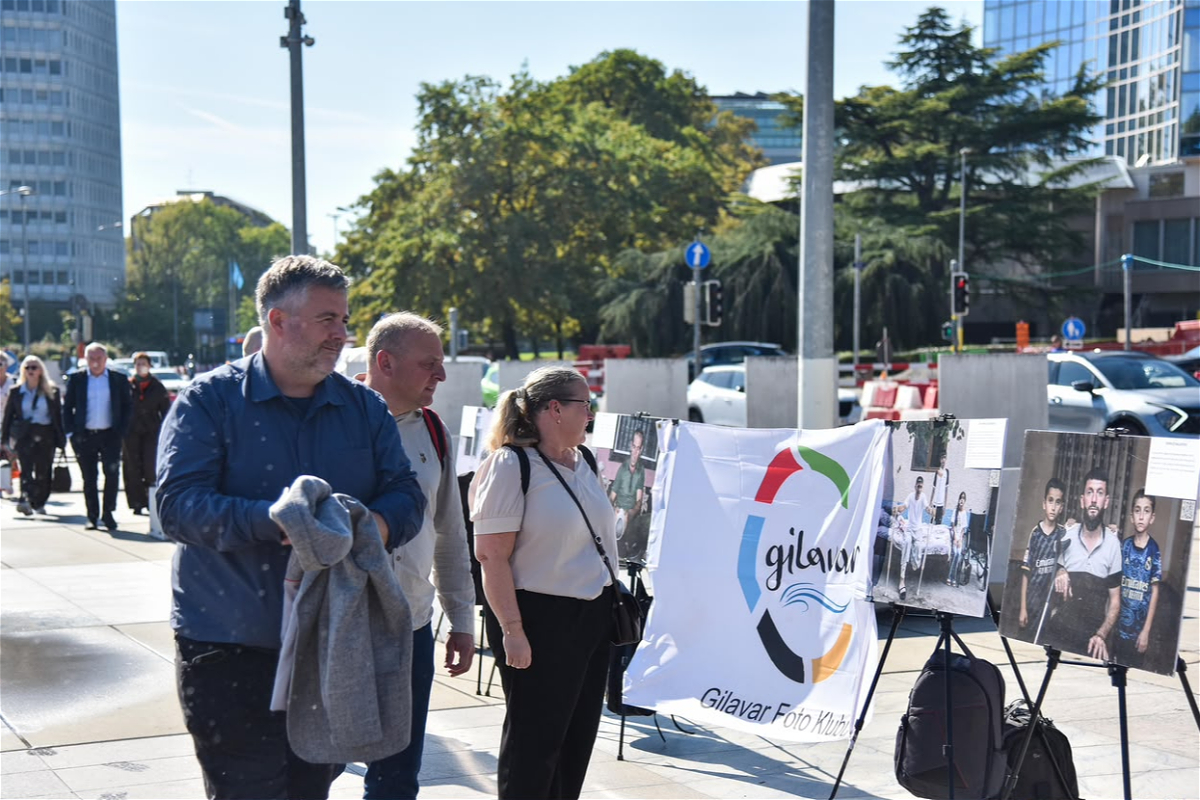
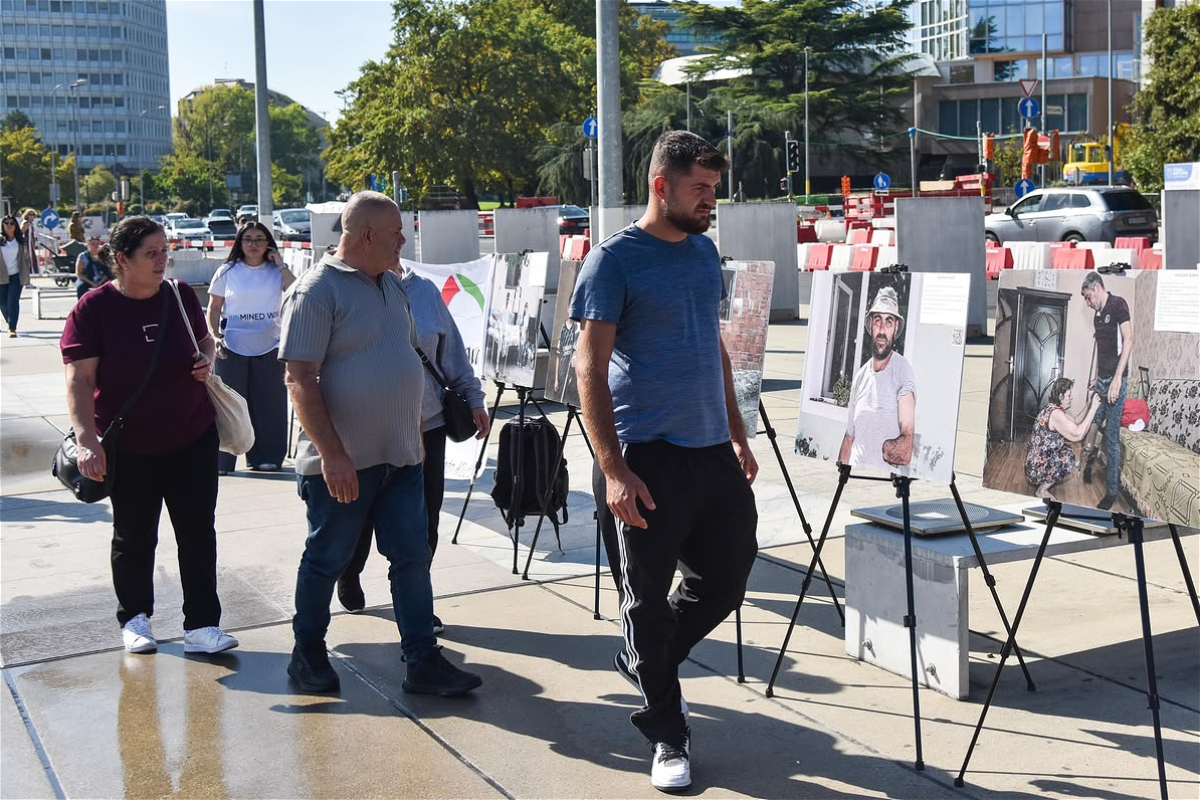
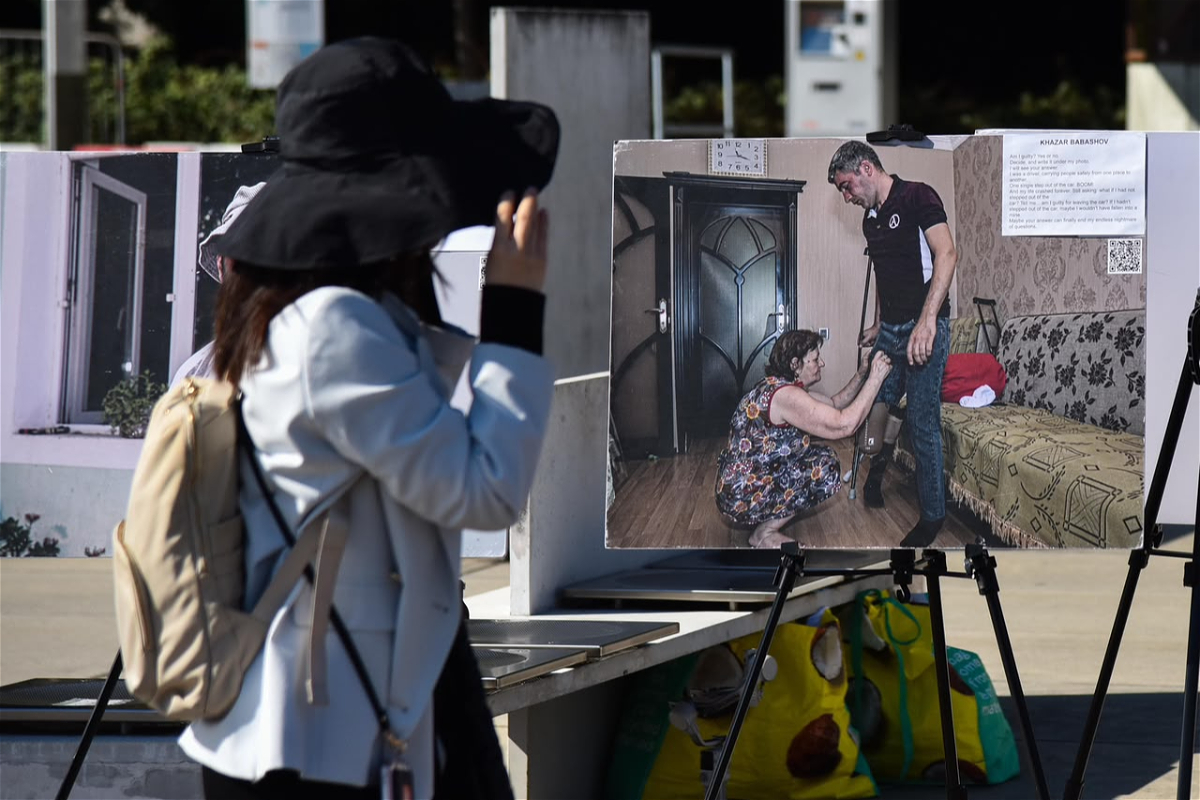
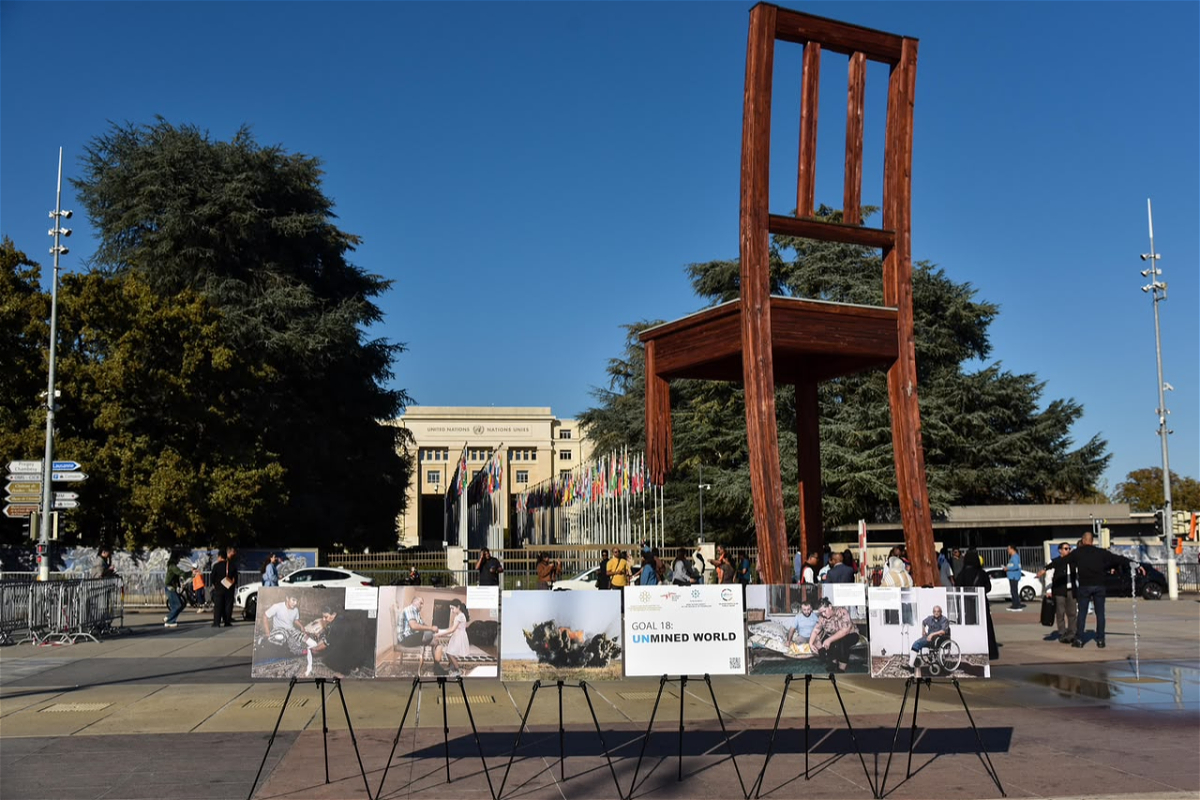
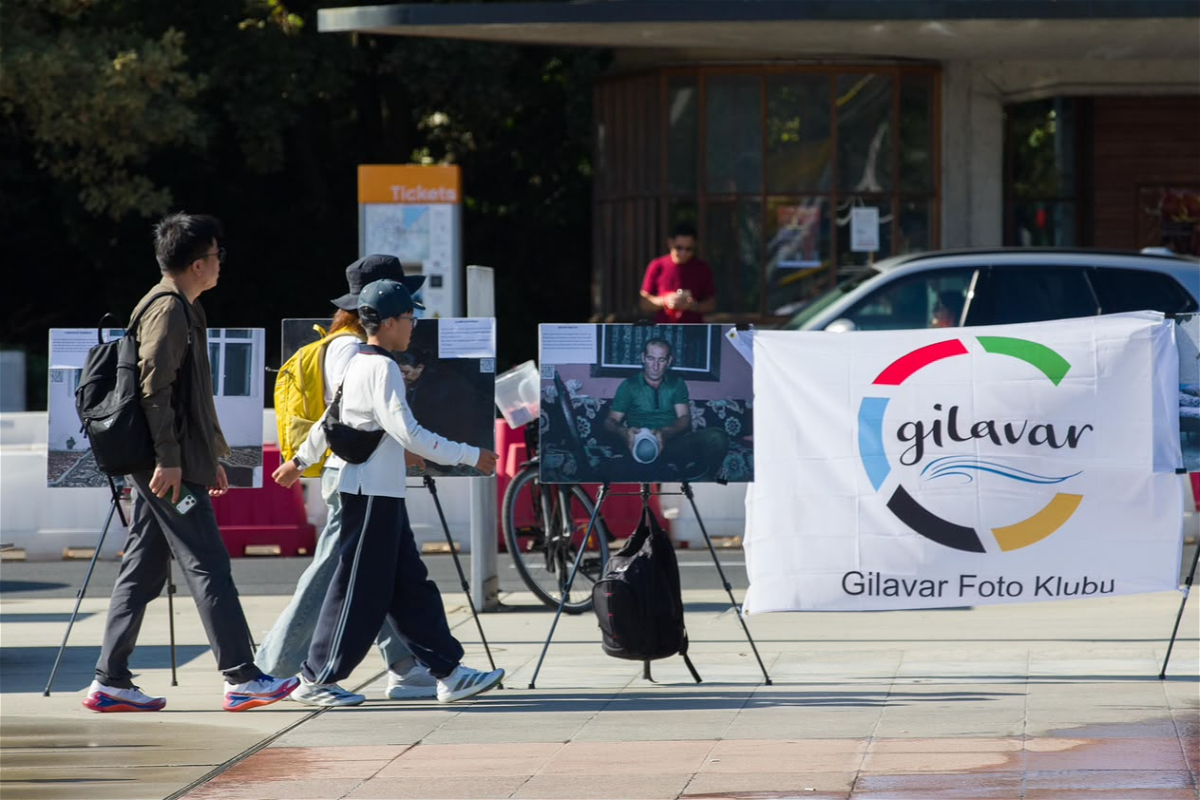
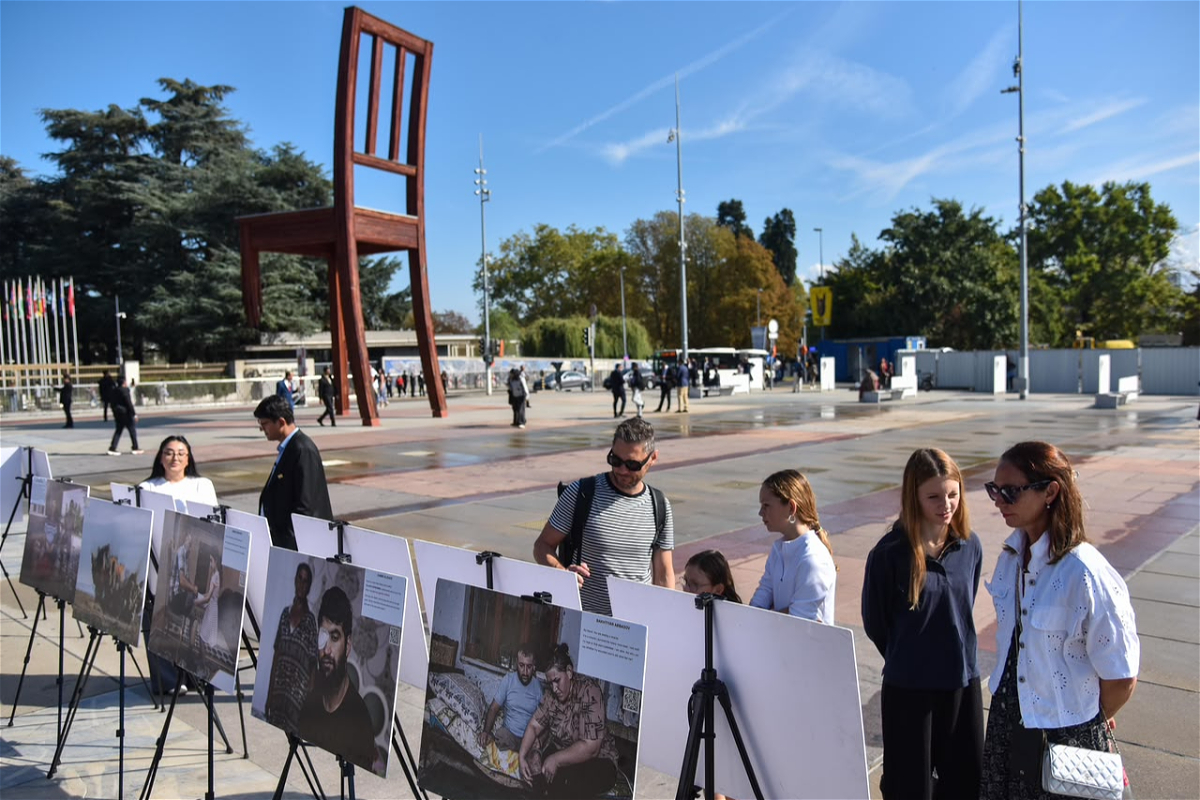
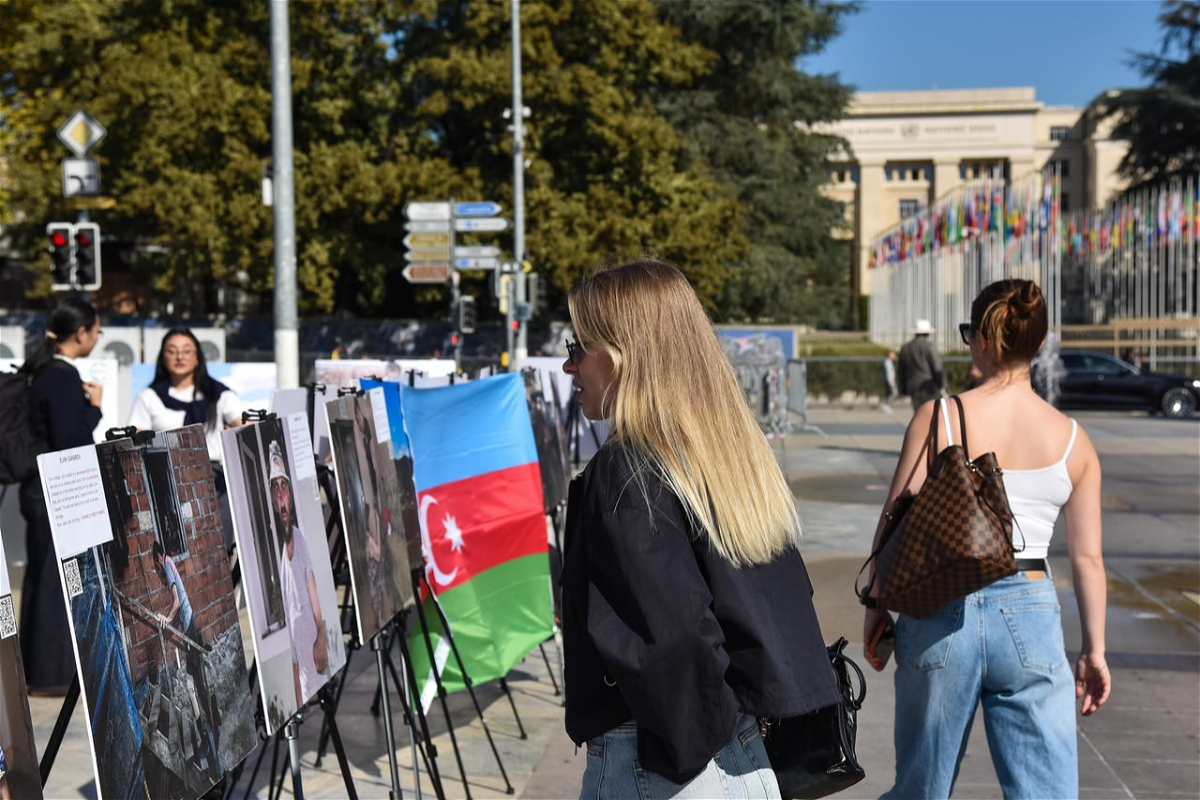
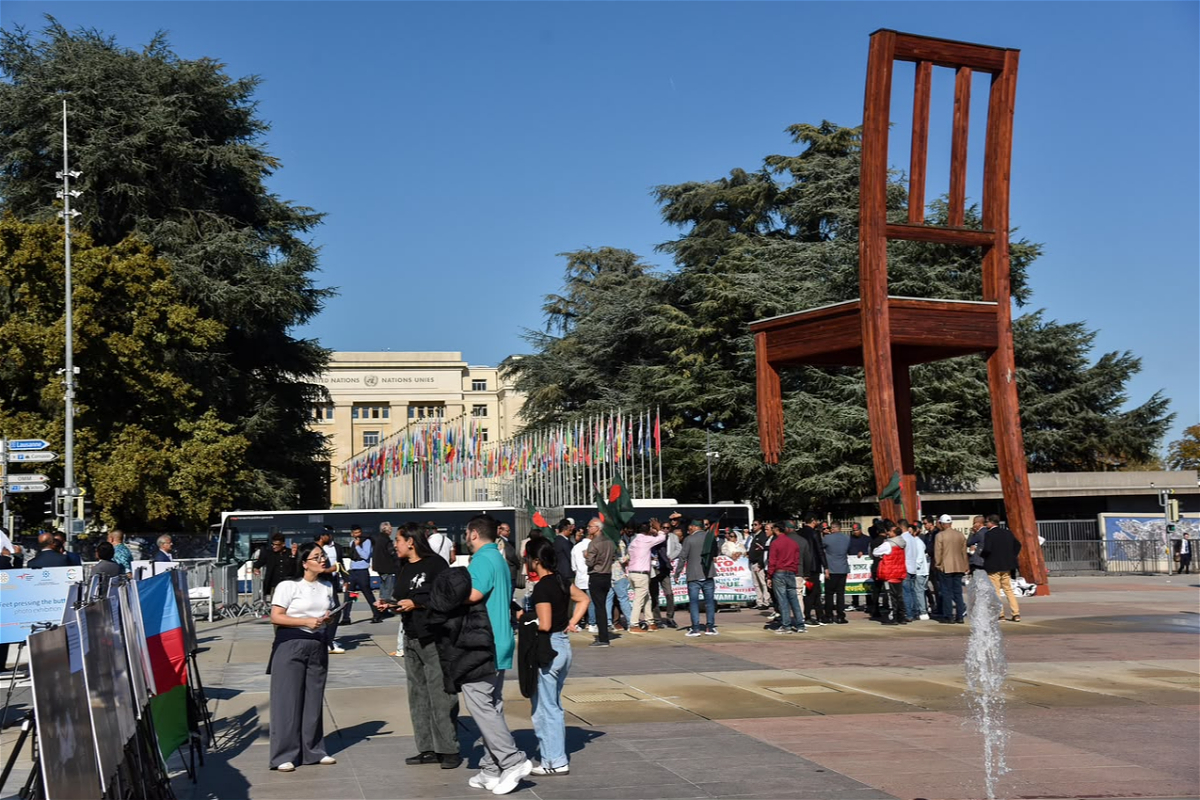
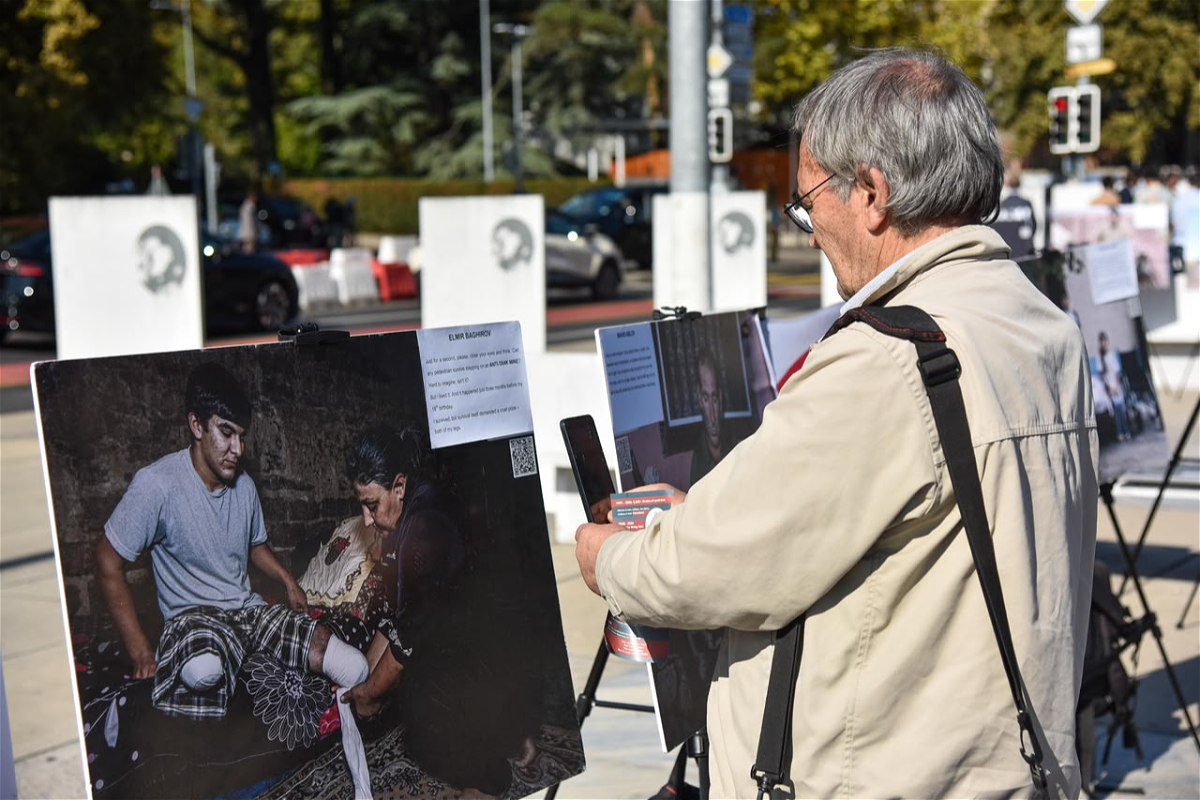
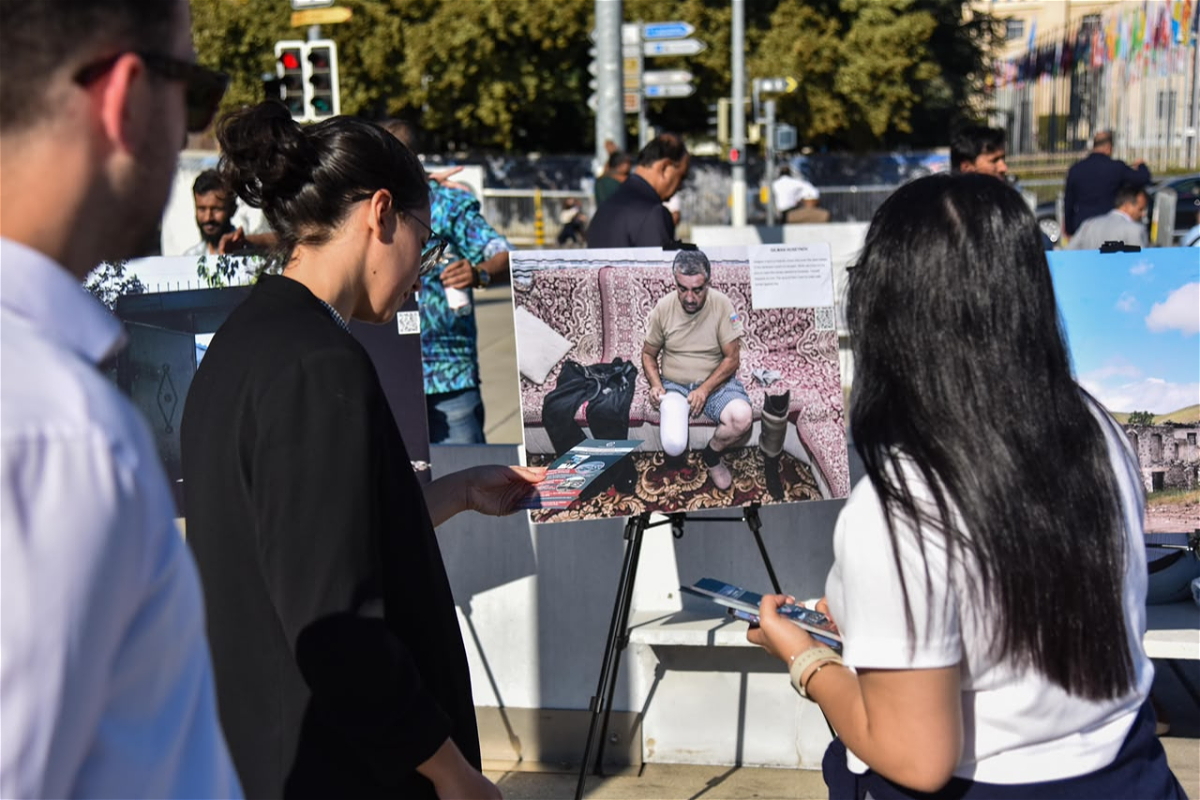
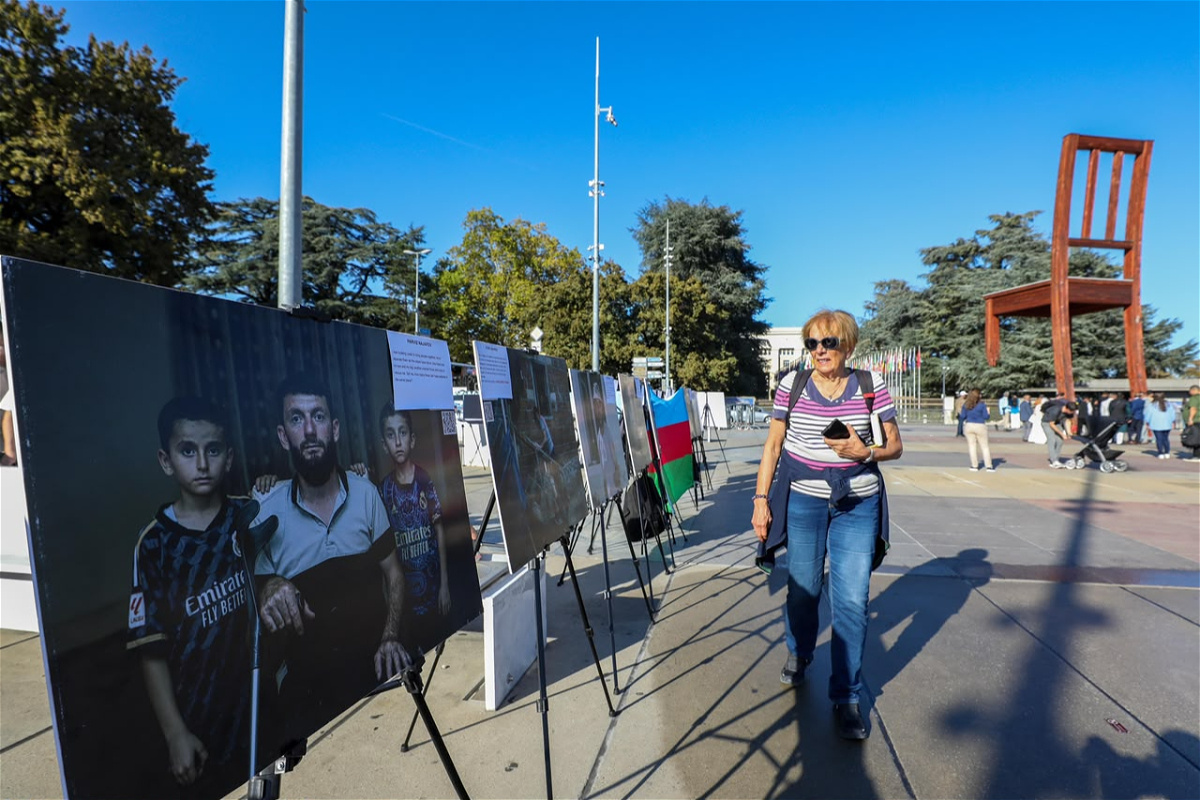
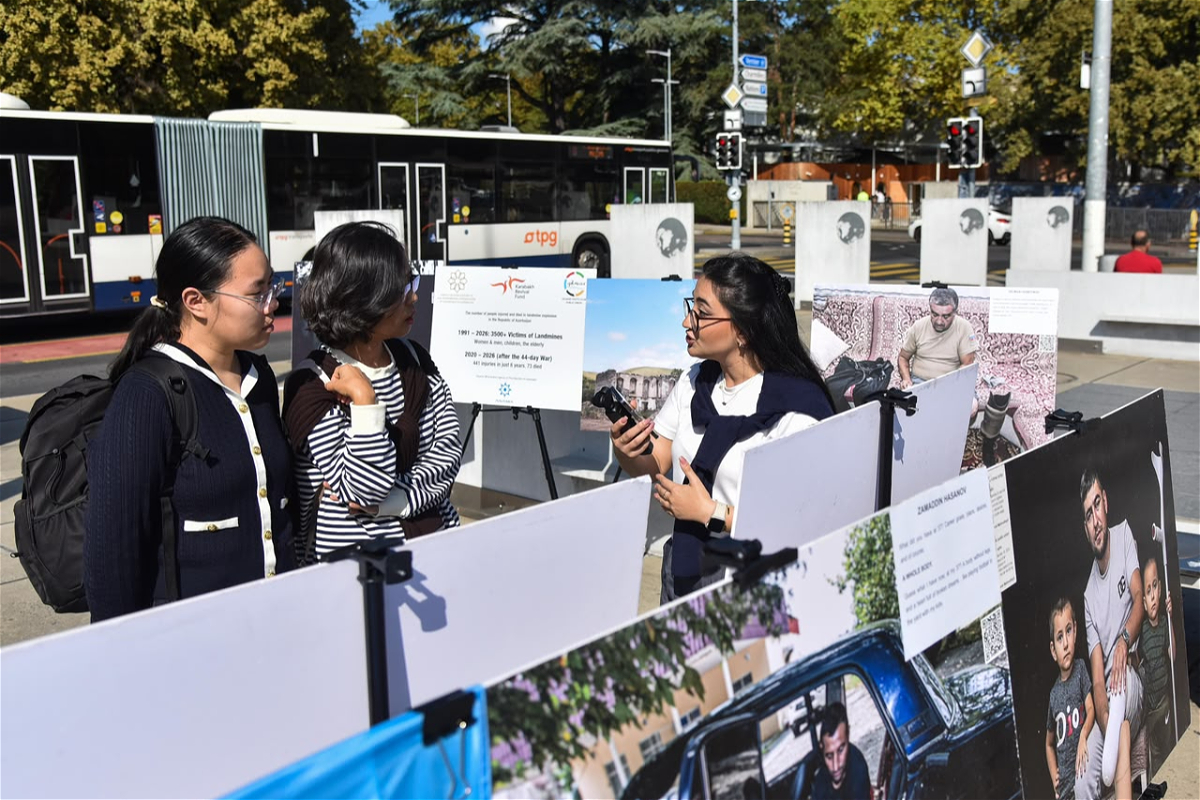
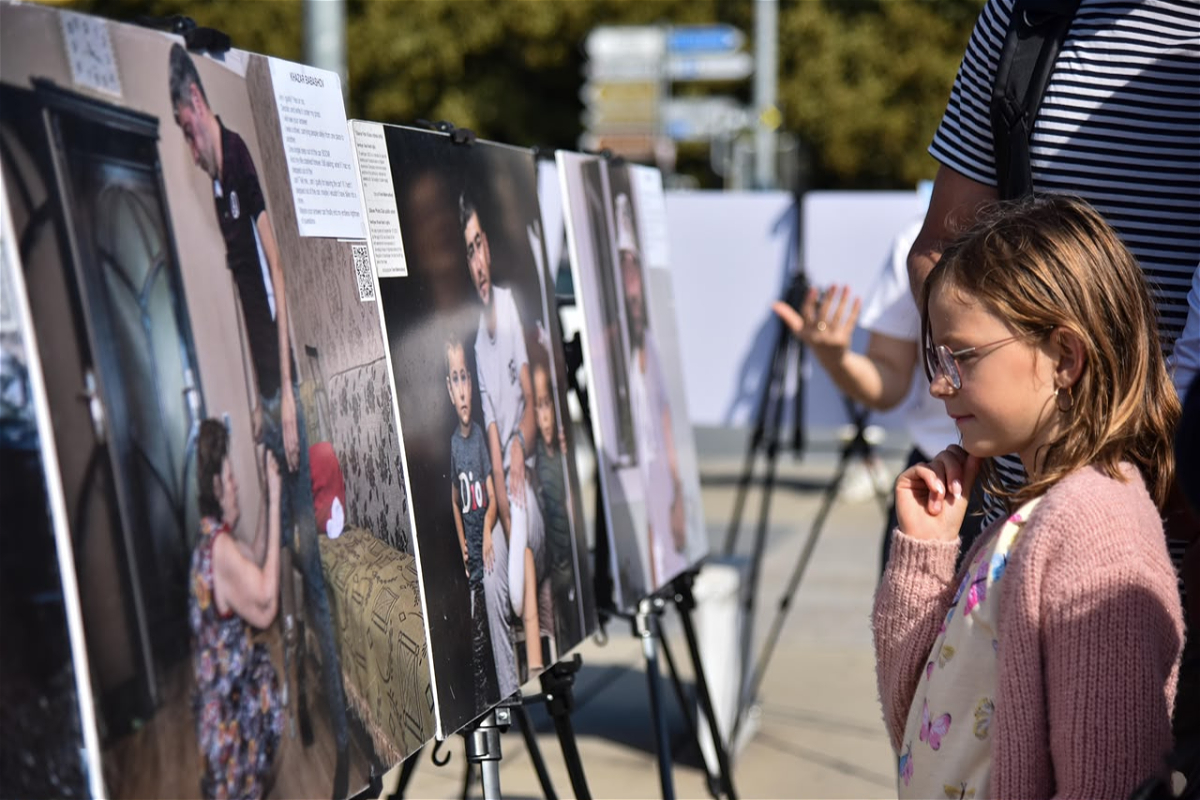
On October 5, 2026, Azerbaijan’s “Gilavar” Photo Club Public Union opened a photo exhibition in Geneva, Switzerland, in front of the symbolic “Broken Chair” monument, which embodies the outcry of people suffering from all forms of armed violence, at Place des Nations, where the United Nations Office at Geneva is located.
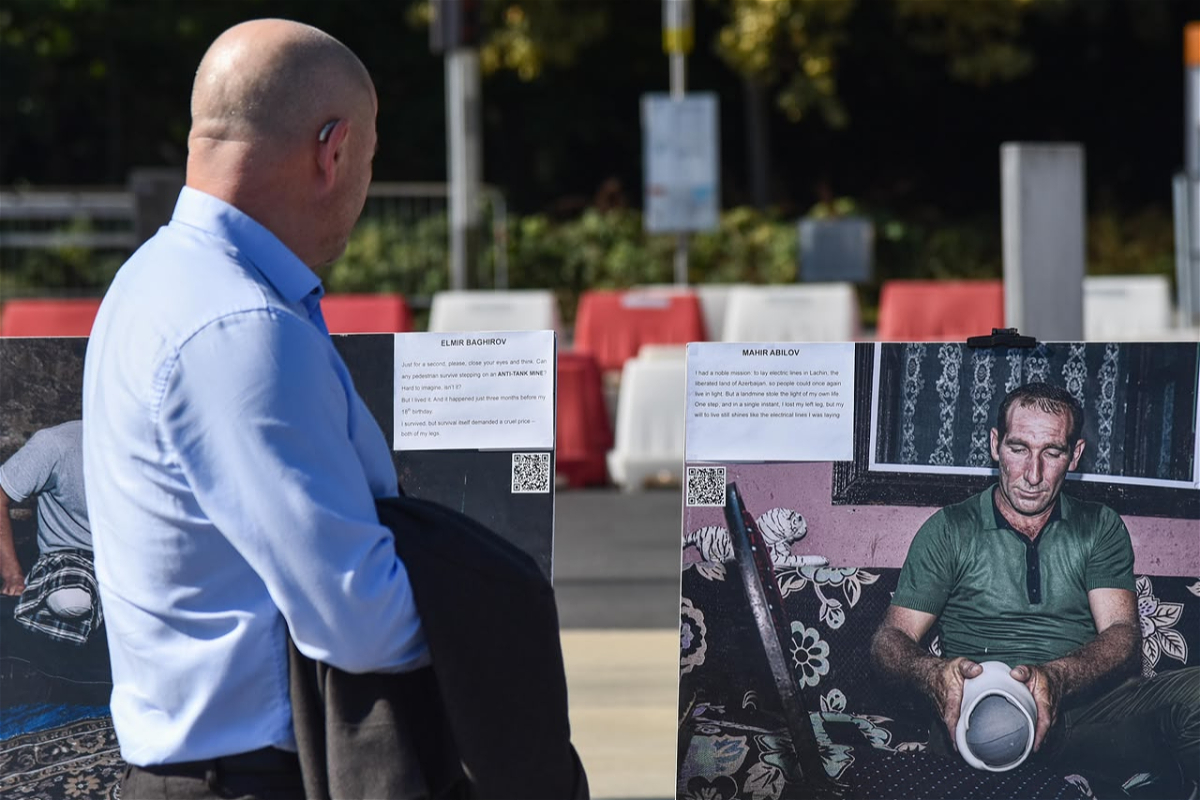
The exhibition featured documentary photographs depicting the life stories of Azerbaijanis affected by Armenia’s mine warfare and the devastating consequences of mine explosions. In addition, foreign visitors viewing the exhibition in Geneva were presented with images depicting the vandalism and destruction perpetrated by Armenia in Azerbaijani territories during its 30-year occupation, as well as the new life and ongoing revival in these territories as a result of the large-scale reconstruction efforts undertaken by the Azerbaijani state.
Rashad Mehdiyev, head of the “Gilavar” Photo Club, said that these photographs call on the international community to mobilize for the declaration of a “mine-free world” as the 18th Sustainable Development Goal of the United Nations. He noted that 60 million people worldwide are still at risk from landmines and that Azerbaijan is among the countries most severely affected by mines. Armenia, which occupied part of Azerbaijan’s territory for many years, planted more than 1.5 million mines in these areas, which were also heavily contaminated with other explosive remnants of war.
Armenia’s objective was to wage war against Azerbaijan’s civilian population. Mines discovered in settlements, cemeteries and other locations in the liberated territories, including booby-trap mines, are evidence of this; even the areas surrounding some of the mass graves discovered have been mined. Mines were planted for people seeking to find the remains of their loved ones in these places after years of separation and for those coming to visit them. This should be considered a crime against humanity.
Visitors to the exhibition were informed that, despite all calls to do so, Armenia does not provide accurate information or maps of mined areas. The fact that the overwhelming majority of mine incidents have occurred outside the areas indicated on the maps provided also demonstrates that most of these maps are false and unreliable. This activity in no way serves peace. After the 44-day war in 2020, the overwhelming majority of people killed in mine incidents in Azerbaijan have been civilians.
It was also noted that the mine issue has become Azerbaijan’s biggest problem today. Following 30 years of looting and destruction by Armenia, the Azerbaijani state is carrying out large-scale reconstruction and development efforts in liberated Garabagh and East Zangezur and returning former internally displaced persons to their homes. However, the mine threat poses a serious obstacle to this process and is a source of danger to the lives and health of citizens. The extensive mined areas in Garabagh and East Zangezur are also causing significant damage to ecology and the environment, as well as to agriculture.
Visitors to the exhibition expressed their hope that Garabagh and East Zangezur would be declared mine-free regions in the near future.
The Azerbaijani NGO will continue its international campaign in other European countries, calling for the declaration of a “mine-free world” as the 18th Sustainable Development Goal of the United Nations.
The “Gilavar” Photo Club is a 2026 winner of the grant competition “Initiatives on the Problem of Mines and Unexploded Ordnance,” jointly announced by the Agency for State Support of Non-Governmental Organizations of the Republic of Azerbaijan and the Karabakh Revival Fund.
 Revenue from the “Turan Tovuz” – “Fenerbahçe” match to be donated to the Karabakh Revival Fund
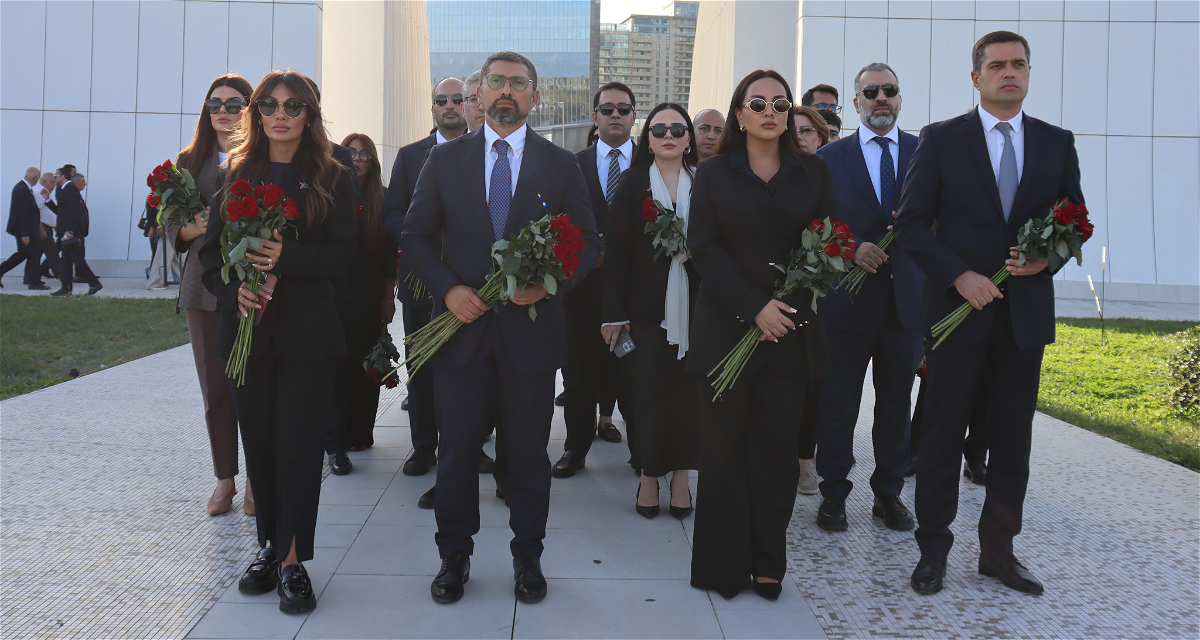 The leadership and staff of the Karabakh Revival Fund visited Victory Park
 “Night of Karabakh – Lachin” Charity Concert held in Lachin
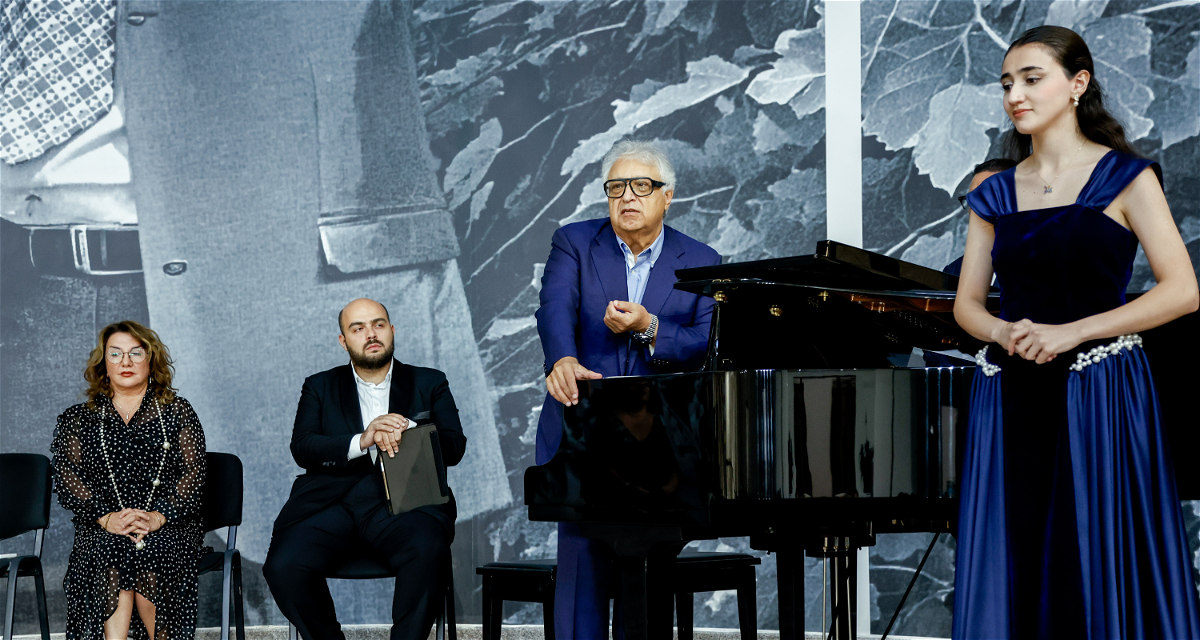 "Night of Karabakh – Shusha" Charity Concert held in Shusha
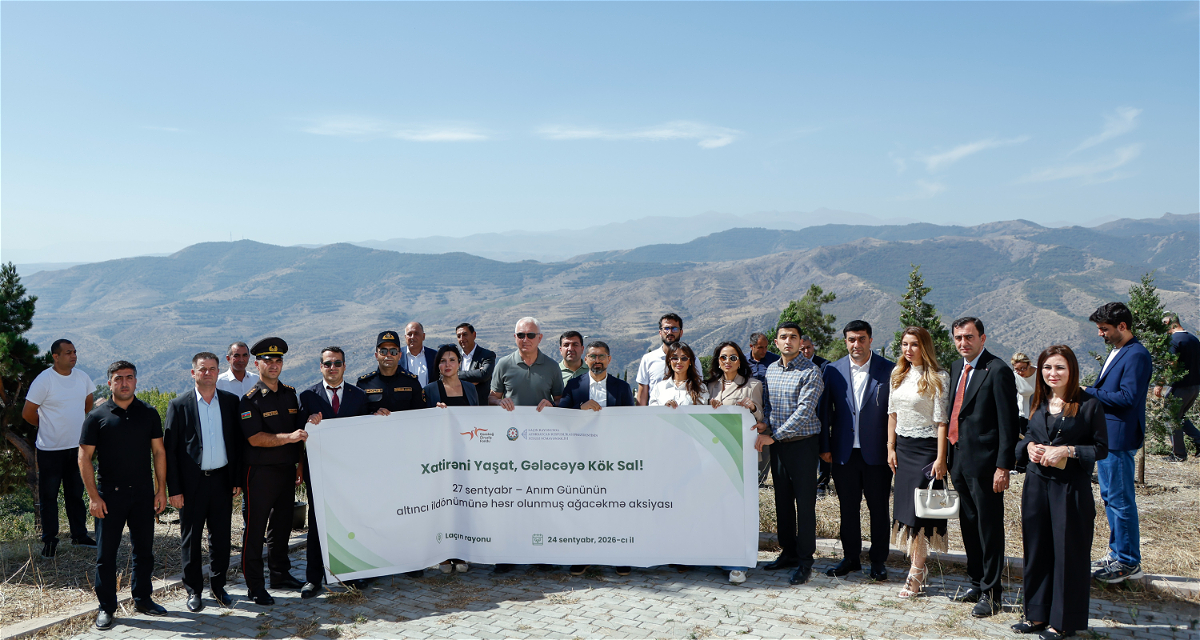 Tree-Planting Initiative held in Lachin on the Occasion of Remembrance Day
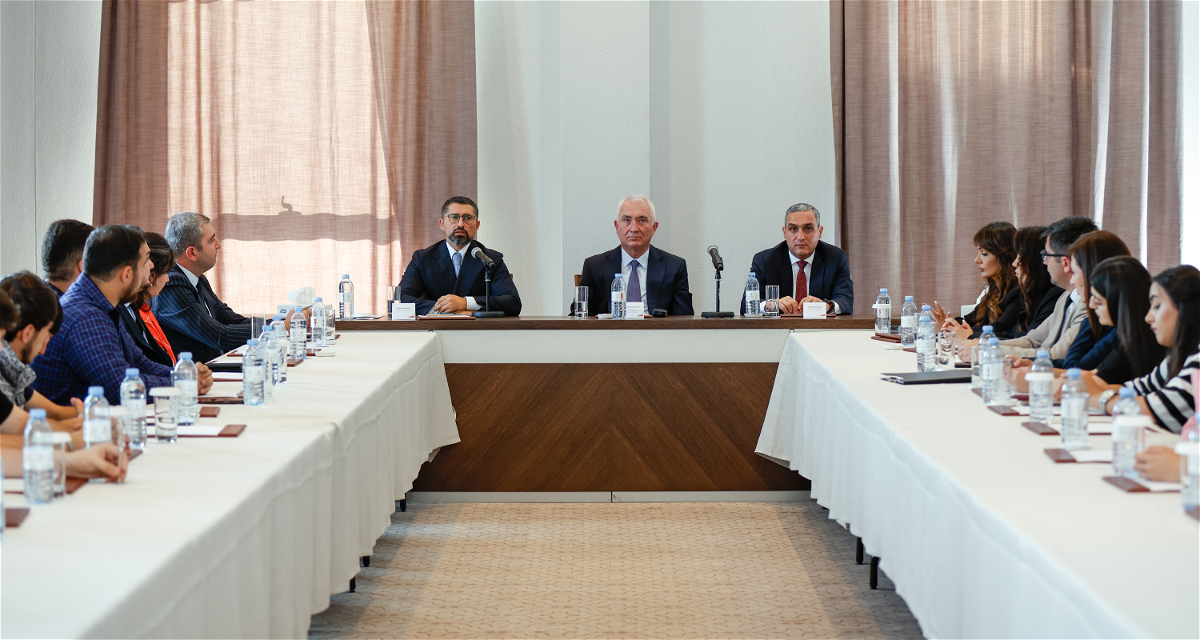 KRF and Special Representative of the President of the Republic of Azerbaijan meet with students of Garabagh University in Lachin